



THE COSTA BLANCA
Located in the province of Alicante, in the Valencian Community, the Costa Blanca is one of the most iconic regions on Spain's eastern coast. It stretches from Denia in the north to Pilar de la Horadada in the south, covering over 200 kilometres of Mediterranean coastline. Its name, "White Coast," refers to the fine sandy beaches and crystal-clear waters that characterise the area.
Location and Accessibility
Strategically positioned between two major cities—Alicante to the south and Valencia to the north—the Costa Blanca is well-connected by road, particularly via the AP-7 motorway, facilitating access from other parts of Spain and Europe. Additionally, Alicante-Elche Airport, one of the busiest in the country, offers both domestic and international flights, making the region an accessible destination for tourists worldwide.
History and Cultural Heritage
The history of the Costa Blanca dates back to prehistoric times, with evidence from the Paleolithic and Neolithic periods. The Cova de les Cendres in Teulada is one of the region's most significant archaeological sites, providing a unique glimpse into early Mediterranean civilisations. During the Roman era, cities like Denia and Altea flourished as commercial ports, and their legacy is still visible in local ruins and museums.
The Arab influence has left a profound mark on the region's architecture and culture. The Palmeral of Elche, an extensive system of date palm orchards, is a UNESCO World Heritage site and a clear example of this heritage. Moreover, the "Misteri d'Elx," a medieval theatrical representation of the Assumption of the Virgin Mary, is another cultural treasure recognised by UNESCO. The castles and fortresses that dot the coast, such as Denia Castle and Santa Bárbara Castle in Alicante, bear witness to centuries of military and defensive history, offering stunning panoramic views of the coastline.
Natural Landscapes and Biodiversity
The Costa Blanca is a paradise for nature enthusiasts. It boasts several natural parks, including Montgó, Sierra Helada, and Peñagolosa, offering hiking trails and spectacular vistas. The diverse landscapes, ranging from rugged cliffs to gentle hills covered in vineyards, add to its allure.
Its waters are home to posidonia meadows, vital for marine biodiversity and recognised for their conservation efforts. The region also hosts the island of Tabarca, a marine reserve that serves as a sanctuary for various marine species.
Beaches and Tourism
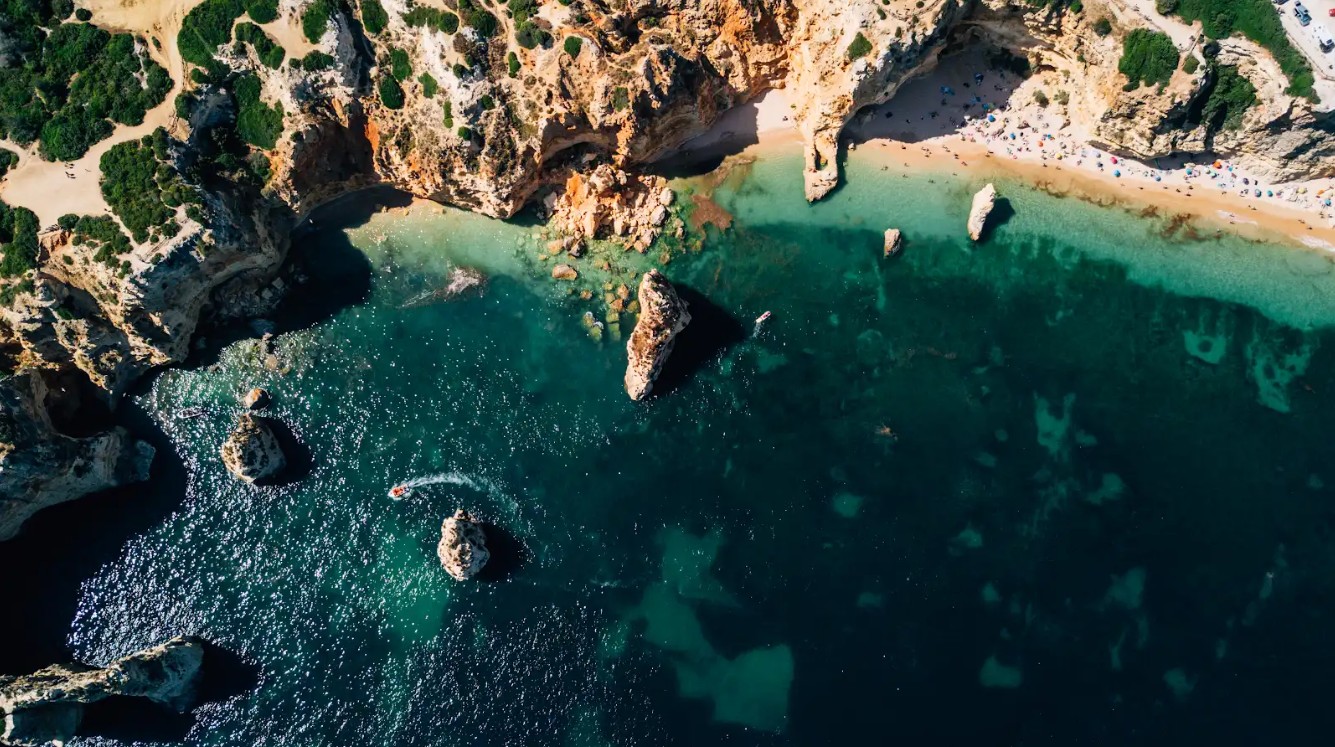
The beaches of the Costa Blanca are its main attraction. From the wide, bustling beaches of Benidorm to the tranquil coves of Jávea and Moraira, there's something for every taste. Many of these beaches have been awarded the Blue Flag, certifying their quality and services.
Tourism in the region has evolved, blending traditional sun and beach offerings with a rich cultural and gastronomic scene. Cities like Denia have been recognised by UNESCO as Creative Cities of Gastronomy, highlighting their commitment to local and sustainable cuisine.
In summary, the Costa Blanca is a destination that offers a unique combination of history, culture, nature, and idyllic beaches. Its accessibility, heritage, and beauty make it an ideal place to live, visit, or invest.
Contact form
Would you like to find out more about the documentation required for a sale?
Would you like us to value your property?
Would you like to list your property with us?
Would you like us to help you with the sales process?